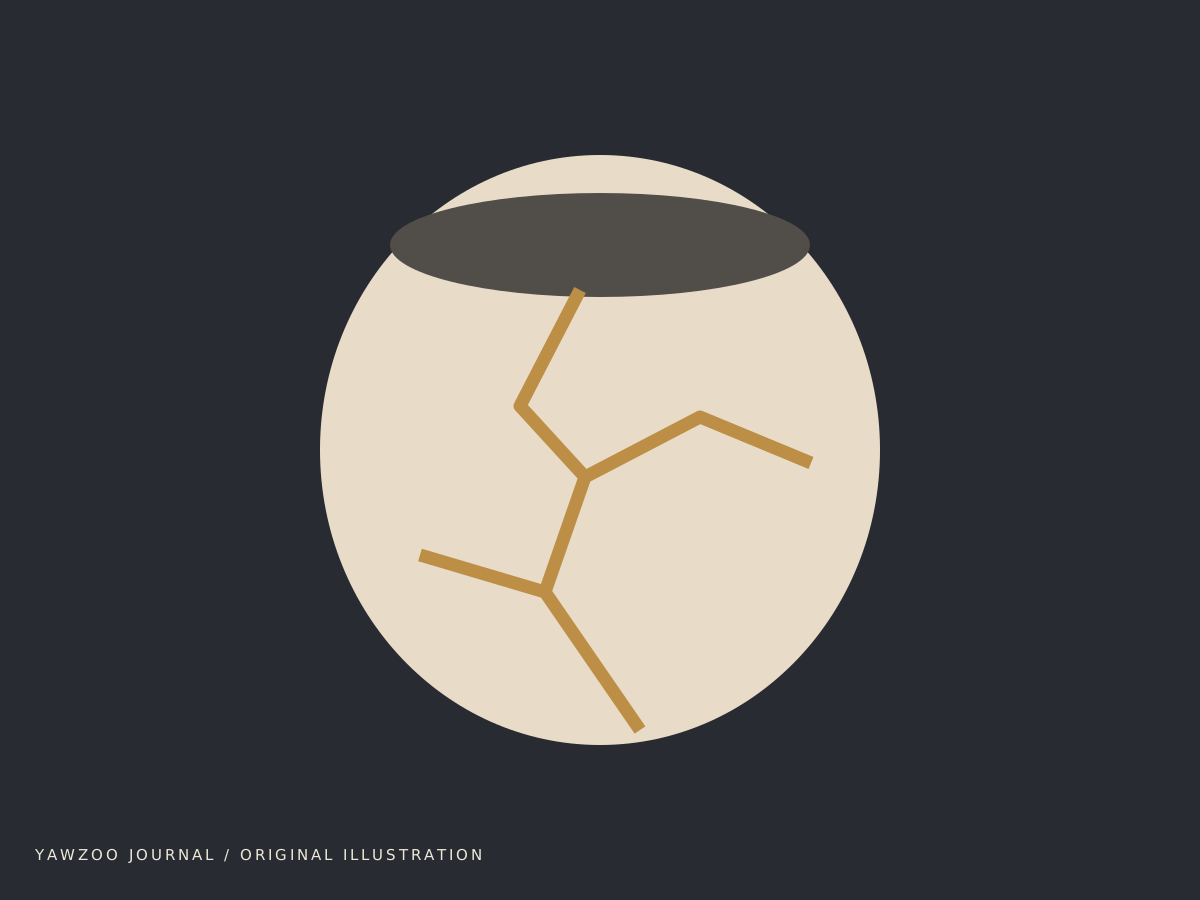
What if the most interesting part of a ceramic vessel is the place where it broke? Kintsugi makes that question visible. Lacquer joins the damaged object, while metal powder gives the repair a line of its own. It offers a different starting point from making something flawless: work with what is already there.
At Matsuda Lacquer Studio in Kyoto, the published two-hour experience focuses on the finishing stages of this process. Participants polish prepared repair lines, apply urushi lacquer and add brass or gold powder, depending on the plan. The studio explains that the earlier repair stages are prepared in advance because the full process takes weeks. A short workshop is an introduction to a long practice, not a shortcut through all of it.
That distinction is worth keeping. For a maker, the appeal is as much in learning to notice a surface as in leaving with an object. The line between original material and repair can become a design decision rather than something to erase.
Before planning a visit, ask the studio about the selected materials, curing and aftercare, and any precautions for working with urushi. Workshops are by advance booking. This is an independent editorial introduction, not a YAWZOO class or a claim of current spaces.
← More from the making world